Key Points:
- Retatrutide is an investigational weight loss and metabolic drug that targets GLP-1, GIP, and glucagon receptors (also called a “triple agonist”).
- The medication is currently in Phase 3 clinical trials and has not yet received FDA approval for public use, but has shown promising results for weight loss.
- It is not yet known when Retatrutide might be publicly available.
The landscape of metabolic health and weight management has shifted significantly over the last several years. While medications like Ozempic, Wegovy, and Zepbound have quickly become household names, the research continues and even more iterations of GLP-1 drugs are being studied.
Retatrutide is the latest experimental medication in metabolism and weight loss. It takes a more complex approach to treating obesity and type 2 diabetes by engaging three distinct hormonal pathways simultaneously (rather than just one or two, like Ozempic and Wegovy).
While the initial findings about Retatrutide are promising, there’s still a lot to learn. Let’s discuss what we currently know about Retatrutide and when it might be available.
What is Retatrutide?
Retatrutide is a medication still under research designed to treat obesity and type 2 diabetes by mimicking three naturally occurring hormones that regulate metabolism. It works by suppressing appetite while simultaneously increasing the amount of energy the body burns at rest.
What makes Retatrutide special? To understand how it works, it’s helpful to look at existing medications. Most current therapies are single or dual agonists, meaning they act on one or two hormones. Ozempic (semaglutide) targets the GLP-1 receptor, while Zepbound (tirzepatide) targets both GLP-1 and GIP.
Retatrutide is a triple-agonist medication because it mimics three naturally occurring hormones: GLP-1, GIP, and glucagon. This multi-pathway approach is designed to address weight and metabolism from several physiological angles at once, operating under the theory that the additional targeting might yield even better results.
Let’s take a look at the role each of these hormones plays:
GLP-1 (Glucagon-like Peptide-1)
GLP-1 is primarily responsible for the "fullness" sensation many people feel on these medications. It slows gastric emptying, which means food stays in your stomach longer, and it sends signals to the brain to reduce food cravings.
Ozempic and other semaglutide medications act only on GLP-1.
GIP (Glucose-dependent Insulinotropic Polypeptide)
GIP works in tandem with GLP-1 to improve the body’s insulin response. Beyond blood sugar management, GIP may also influence how the body stores and breaks down fat cells. When these two hormones are engaged together, the metabolic effect is generally stronger than when either is used alone.
Zepbound and other tirzepatide medications mimic both GLP-1 and GIP.
Glucagon
Glucagon is the newest addition to this class of medication. Historically, glucagon was thought of simply as a hormone that raises blood sugar, but recent research shows it does much more.
Glucagon can increase energy expenditure – meaning it may help your body burn more calories at rest – and it can also help the liver process fat more efficiently.
What the research shows about Retatrutide
Retatrutide is still an investigational drug, which means it’s actively being studied. So, everything we know about it thus far is based on research and clinical trials.
In the phase 2 clinical trial, researchers evaluated 338 adults with obesity. Participants were divided into groups receiving different doses of Retatrutide or a placebo. The results are notable for their scale and speed.
By the 24-week mark, those on the highest dose had lost an average of 17.5% of their body weight. By the end of the 48-week study, that number reached a mean weight loss of 24.2%. For a starting weight of 300 pounds, that means losing 60 pounds or more.
This is currently the highest weight reduction seen at this point in a trial for any weight-loss medication to date.
For context, semaglutide (Wegovy) trials typically show about 15% weight loss over a longer period (52 weeks or longer), and tirzepatide (Zepbound) trials show approximately 21-22% over a similar time period.
Beyond weight loss, the study also noted improvements in other health markers. Many participants saw reductions in blood pressure and improvements in their cholesterol profiles. The "triple agonist" approach seems to provide a broad metabolic benefit that extends beyond the numbers on the scale.
Comparing Retatrutide to current medications
If you are currently working with a registered dietitian to manage your weight, you might wonder how Retatrutide compares to the options you already have. While Retatrutide is not yet available, comparing its profile to semaglutide and tirzepatide provides a clearer picture of where the field is moving.
| Medication | Target Receptors | Phase 2/3 Weight Loss Outcomes | Status |
|---|---|---|---|
| Semaglutide (Wegovy) | GLP-1 | ~15% over 68 weeks | FDA Approved |
| Tirzepatide (Zepbound) | GLP-1 + GIP | ~21-22% over 72 weeks | FDA Approved |
| Retatrutide | GLP-1 + GIP + Glucagon | ~24.2% over 48 weeks | Clinical Trials |
While these figures are impressive, it is important to remember that more potent medications often require a more intentional focus on nutrition. As the rate of weight loss increases, the risk of losing lean muscle mass also rises, and muscle mass is vital not just for strength and metabolism but also bone density. This is why a personalized nutrition plan is essential, regardless of which medication is being used.
When will Retatrutide be available?
Despite the positive results seen in early trials, Retatrutide is not currently available for prescription. It is an "investigational drug," which means it must complete more extensive testing before the FDA can approve it for public use.
The medication is currently in Phase 3 clinical trials, which involve thousands of participants and are designed to confirm the drug's efficacy and safety across a broader population.
Based on the typical timeline for these trials, it is unlikely that Retatrutide will be available until at least late 2026 or early 2027.
If you’re already taking a GLP-1 and have stopped losing weight on Ozempic or feel you have hit a weight loss plateau, you might be eager to try a new drug. Rather than waiting for Retatrutide or another new medication to be released, talk to your dietitian about what adjustments you can make in the here and now.
Potential side effects & safety considerations
Like other GLP-1s, Retatrutide is associated with gastrointestinal side effects. In clinical trials, the most common issues included:
- Nausea
- Diarrhea
- Vomiting
- Constipation
These effects were generally dose-dependent, meaning they were more common as the dosage increased. Most participants reported that these symptoms were mild to moderate and tended to improve over time.
One unique observation in the Retatrutide trials was a temporary increase in heart rate, which peaked around the 24-week mark and then declined. This is believed to be related to the glucagon component of the medication. Researchers are continuing to monitor this closely in Phase 3 trials to ensure there are no long-term cardiac risks.
The importance of nutritional support
Medications like Retatrutide are intended to be used alongside lifestyle interventions. They are not a replacement for a balanced diet and regular physical activity. In fact, as medications become more effective at suppressing appetite, the role of a weight loss dietitian becomes even more critical.
When you eat significantly less, every bite of food needs to be nutrient-dense. There are several key areas where professional guidance can help:
1. Preserving muscle
When weight loss is rapid, the body may break down muscle tissue alongside fat. Muscle is metabolically active and helps maintain your resting metabolic rate. Ensuring you consume enough protein is vital to protecting your strength and long-term metabolic health.
2. Balancing micronutrients
A smaller volume of food makes it harder to meet your daily requirements for vitamins and minerals. Replenishing micronutrients like vitamin D, magnesium, and B vitamins is essential for preventing fatigue and supporting your immune system during weight loss.
3. Managing digestive shifts
Because these drugs slow down digestion, you may experience changes in your gut health. A dietitian can help you adjust your fiber and hydration levels to manage issues like bloating or constipation, ensuring your journey is as comfortable as possible.
Final Thoughts
Retatrutide is a promising development in the treatment of obesity and metabolic disease. Its "triple agonist" design reflects a sophisticated understanding of how hormones regulate our weight and energy. While the clinical results are significant, the medication is still undergoing the rigorous testing necessary to ensure its safety and long-term viability.
Whether you’re currently taking semaglutide or are simply curious about future options, it’s important to remember that medication is only one piece of the puzzle. These medications should be used in tandem with healthy habits that set you up for life.
Navigate weight loss and habit building with the support of evidence-based nutrition counseling tailored to your unique needs. Find a dietitian covered by your health insurance now.
Frequently Asked Questions
Is Retatrutide a pill or an injection?
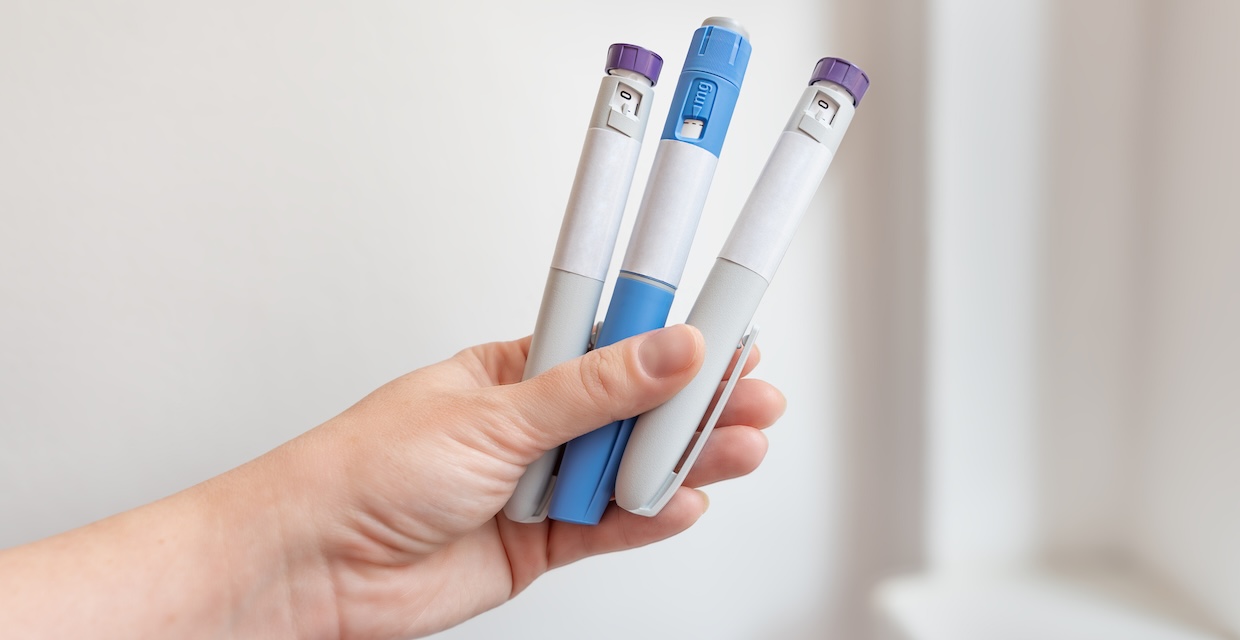
The current clinical trials are testing Retatrutide as a once-weekly injection, similar to the administration of Zepbound or Wegovy. While oral versions of these hormones are also being researched, the injectable format is what's currently being tested in clinical trials.
Can I get Retatrutide off-label?
No. Because Retatrutide has not yet been FDA-approved, it is not legally available for prescription, even off-label. It is currently only available to individuals enrolled in authorized clinical trials.
How does Retatrutide affect blood sugar?
In trials involving people with type 2 diabetes, Retatrutide showed significant improvements in A1c levels. By mimicking GIP and GLP-1, it helps the body release insulin more effectively in response to meals.
What happens if I stop taking Retatrutide?
While we don’t have long-term data for Retatrutide specifically, research on similar medications like Ozempic suggests that weight regain is common once you stop taking the medication. As such, it’s important to work with a dietitian to build sustainable lifestyle habits during treatment that can keep you healthy no matter what.
The views expressed by authors and contributors of such content are not endorsed or approved by Fay and are intended for informational purposes only. The content is reviewed by Fay only to confirm educational value and audience interest. You are encouraged to discuss any questions that you may have about your health with a healthcare provider.
Sources
Fay Nutrition has strict sourcing guidelines and relies on peer-reviewed studies, academic research institutions, and medical associations. We avoid using tertiary references.
- Mechanisms of GLP-1 Receptor Agonist-Induced Weight Loss: A Review of Central and Peripheral Pathways in Appetite and Energy Regulation - The American Journal of Medicine
- The Body Weight Reducing Effects of Tirzepatide - Patient Preference Adherence
- Triple-Hormone-Receptor Agonist Retatrutide for Obesity — A Phase 2 Trial - The New England Journal of Medicine
- Increasing Muscle Mass to Improve Metabolism - Adipocyte - Taylor & Francis
- A Study of Retatrutide (LY3437943) in Participants With Overweight or Obesity (TRIUMPH-1) - ClinicalTrials.gov
- Retatrutide, a GIP, GLP-1, and glucagon receptor agonist, for people with type 2 diabetes: a randomised, double-blind, placebo and active-controlled, parallel-group, phase 2 trial - The Lancet