Key Points:
- Turmeric’s primary active compound, curcumin, may support modest weight loss and help reduce waist circumference, especially in people with metabolic syndrome or type 2 diabetes.
- Curcumin acts as a powerful anti-inflammatory agent that can improve metabolic health by targeting inflammation in fat tissues and enhancing insulin sensitivity.
- Turmeric on its own is unlikely to have significant effects on weight loss – working with a registered dietitian can help you integrate anti-inflammatory spices like turmeric into a personalized nutrition plan that supports sustainable weight management.
Turmeric, often called the "golden spice," has long been a staple in ancient medicine and modern wellness circles alike. You’ve probably seen it in everything from vibrant yellow curries to supplements promising to "melt fat."
But can a simple kitchen spice really be the secret to weight loss?
While turmeric isn't a magic pill for losing weight with ease, the science suggests it can be a valuable supporting player in your metabolic health journey. Research indicates that the active compounds in turmeric may help reduce body weight and waist size, particularly for those already dealing with metabolic challenges.
However, to get these benefits, you need to understand how it works and, more importantly, how to make sure your body actually absorbs it. Let’s get into it.
Curcumin vs. turmeric: What’s the difference?
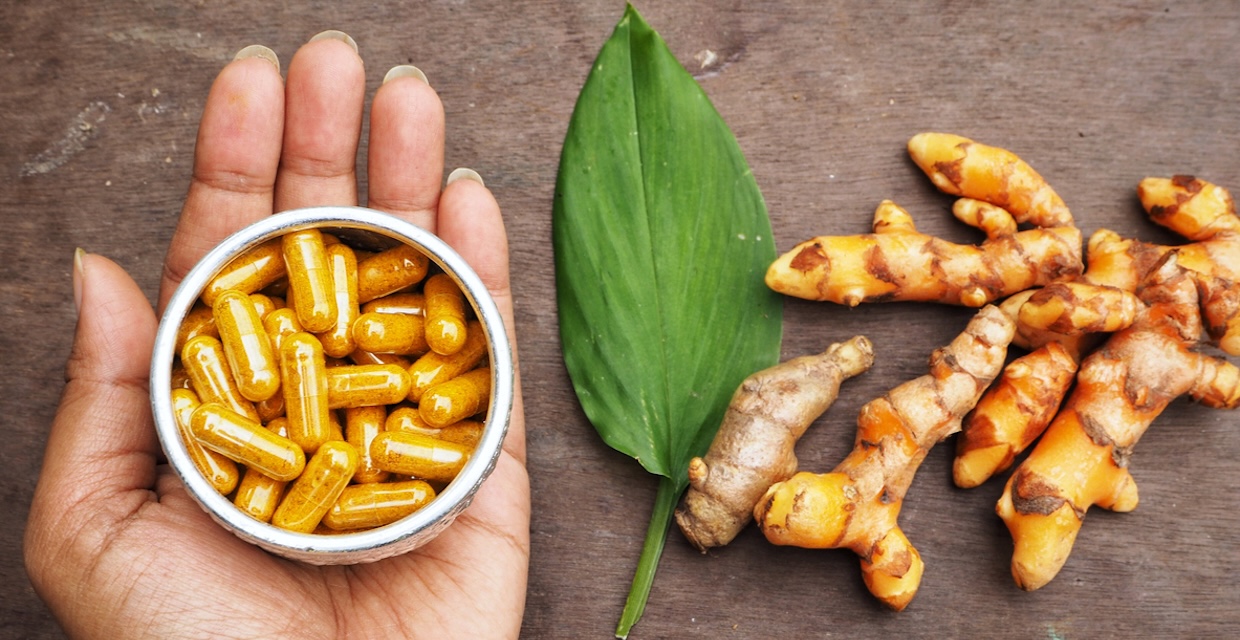
When people talk about turmeric for weight loss, they are usually referring to its most famous component: curcumin. Turmeric is the whole root (part of the ginger family), while curcumin is the specific chemical compound – a polyphenol – that gives the spice its bright yellow color and most of its health-boosting properties.
Curcumin makes up only about 3% of turmeric’s weight. This matters because most research studies use concentrated curcumin extracts rather than the ground spice you find in a grocery store.
While adding turmeric to your cooking is great for flavor and general wellness, achieving the therapeutic doses used in clinical weight loss trials often requires more targeted intake.
Can turmeric help you lose weight? What the research says
Is that "turmeric hack" you saw on social media backed by real evidence? Well, the good news is that turmeric and curcumin have been the subject of extensive human clinical trials.
A large meta-analysis published in 2023 found that curcumin supplementation significantly reduced body mass index (BMI), body weight, and waist circumference. Interestingly, the effects were most noticeable in people with a higher baseline BMI or those with metabolic disorders.
Another comprehensive review from 2019 focusing specifically on patients with metabolic syndrome found that curcumin intake led to some reduction in weight and waist size. On average, participants in these types of studies lose about 4 pounds more than those taking a placebo. While that might not sound like a transformation, it could support overall improvement when combined with other healthy habits.
How turmeric works: The metabolic science
Turmeric doesn't necessarily "burn fat" in the way a stimulant might. Instead, it helps fix the underlying issues that often make weight loss difficult, like chronic inflammation and insulin resistance.
Reducing inflammation in fat tissue
Obesity is often described as a state of chronic, low-grade inflammation. Fat cells (adipose tissue) actually secrete inflammatory markers that can stall your metabolism.
Curcumin has been shown to suppress these specific inflammatory markers, effectively "quieting" the inflammation that contributes to weight gain.
Balancing metabolic hormones
Curcumin may also help regulate the hormones that control your appetite and how you store fat. Curcumin intake can lower levels of leptin (the "hunger" hormone that often becomes imbalanced in obesity) and increase levels of adiponectin, a hormone that helps your body burn fat and use glucose more efficiently.
Improving insulin sensitivity
When your body responds better to insulin, you are less likely to store excess blood sugar as fat. Studies suggest that curcumin can improve insulin sensitivity, making it easier for your cells to use energy rather than storing it around your midsection. This is one reason why the most significant weight loss results are often seen in people with type 2 diabetes or prediabetes.
What to know about turmeric absorption
Here is the biggest secret about turmeric: your body is notoriously bad at absorbing it. If you eat a spoonful of turmeric powder on its own, your liver will likely filter it out before it ever reaches your bloodstream.
To overcome this, scientists have identified two essential "boosters" that you should always use with turmeric:
- Black pepper (piperine): Black pepper contains a compound called piperine. Research has demonstrated that taking just a small amount of piperine with curcumin can increase its absorption by a staggering 2,000%.
- Healthy fats: Curcumin is fat-soluble, meaning it dissolves in oil rather than water. Consuming turmeric with a meal that includes healthy fats – like olive oil, avocado, or nuts – helps your digestive system shuttle the curcumin into your blood.
Many high-quality supplements now use "bioavailability-enhanced" formulas, such as those combining curcumin with phospholipids or using specialized nanotechnology, to ensure you actually get the benefits you're paying for.
Is turmeric safe? Potential side effects & risks
While you can safely sprinkle turmeric on your roasted vegetables every day, concentrated supplements require more caution.
Rare liver concerns
A recent 2024 study highlighted an increasing number of case reports linking high-dose turmeric extract supplements to drug-induced liver injury. While these cases are rare, they often involve "high-bioavailability" extracts that bypass the body's natural filters.
If you notice symptoms like yellowing of the eyes (jaundice) or dark urine while taking a supplement, you should stop immediately and see a doctor.
Other common side effects
At higher doses, some people experience mild digestive issues, such as:
- Nausea or upset stomach
- Diarrhea
- Yellow-colored stools
Who should be careful?
Because turmeric can act as a mild blood thinner, you should consult a healthcare provider if you are taking anticoagulants (like warfarin) or if you have a scheduled surgery. People with a history of gallstones should also be cautious, as turmeric can stimulate gallbladder contractions.
Additionally, turmeric is high in oxalates, which may increase the risk of kidney stones in susceptible individuals.
Practical ways to use turmeric for metabolic health
If you want to try turmeric for its metabolic benefits, you don't necessarily need to reach for a pill. Incorporating it into your daily diet is a safer, more flavorful way to start.
- Golden milk: This traditional drink is a great way to combine turmeric with fat and pepper. Simply heat a cup of unsweetened almond or coconut milk with a teaspoon of turmeric, a pinch of black pepper, and a dash of cinnamon.
- Roasted veggies: Toss cauliflower, carrots, or chickpeas in olive oil, turmeric, salt, and pepper before roasting.
- Soups and stews: Add a tablespoon of turmeric to lentil soup or chicken stew. The long simmering time helps the flavors meld, and the fats in the broth aid absorption.
- Morning eggs: A simple pinch of turmeric in your morning scramble is an easy way to build a habit.
Remember that turmeric is just one tool in the toolbox. It works best when paired with an anti-inflammatory diet rich in whole grains, lean proteins, and plenty of fiber.
Final Thoughts
Turmeric is far more than just a culinary spice; it is a scientifically backed support tool for your metabolic health. While the weight loss results from curcumin are often modest, the real value lies in how it helps your body manage inflammation and respond better to insulin.
Think of turmeric as a way to "prime" your body for success. By reducing the metabolic noise that inflammation creates, you might find it a bit easier to stick to your goals and see results from your workouts. Just remember the golden rule of turmeric: always include a pinch of black pepper and a little bit of fat to make sure you're getting the most out of every gram.
Because everyone’s body responds differently to supplements and dietary changes, it can be incredibly helpful to have a professional guide. A registered dietitian can help you determine the right dosage for your needs and ensure your diet is optimized for both health and flavor.
Frequently Asked Questions
Does turmeric burn belly fat?
Turmeric doesn't target fat in a specific area like the abdomen, but it does help reduce overall body fat and waist circumference. It does this by improving insulin sensitivity and reducing inflammation in the tissues where belly fat – specifically visceral fat – is stored.
How much turmeric should I take a day for weight loss?
Most clinical trials that showed weight loss benefits used doses ranging from 500 mg to 2,000 mg of curcumin extract per day. If you are using the whole spice in cooking, a common recommendation is about 1/2 to 1 teaspoon (roughly 2–4 grams) daily, always paired with black pepper.
What is the best time to take turmeric for weight loss?
There is no "perfect" time of day, but because curcumin is fat-soluble, the best time to take it is with a meal that contains healthy fats. Taking it with breakfast or dinner can help ensure maximum absorption and reduce the risk of an upset stomach.
How long does it take for turmeric to work?
Research suggests that it can take anywhere from 8 to 12 weeks of consistent use to see measurable changes in body weight or metabolic markers. Like most natural approaches, consistency is more important than a high one-time dose.
The views expressed by authors and contributors of such content are not endorsed or approved by Fay and are intended for informational purposes only. The content is reviewed by Fay only to confirm educational value and audience interest. You are encouraged to discuss any questions that you may have about your health with a healthcare provider.
Sources
Fay Nutrition has strict sourcing guidelines and relies on peer-reviewed studies, academic research institutions, and medical associations. We avoid using tertiary references.
- The effect of curcumin supplementation on weight loss and anthropometric indices: an umbrella review and updated meta-analyses of randomized controlled trials - The American Journal of Clinical Nutrition
- The Effects of Curcumin on Weight Loss Among Patients With Metabolic Syndrome and Related Disorders: A Systematic Review and Meta-Analysis of Randomized Controlled Trials - Frontiers in Pharmacology
- Recent Developments in Delivery, Bioavailability, Absorption and Metabolism of Curcumin: the Golden Pigment from Golden Spice - Cancer Research and Treatment
- Adipose tissue inflammation and metabolic dysfunction in obesity - American Journal of Physiology-Cell Physiology
- Dose escalation of a curcuminoid formulation - BMC Complementary and Alternative Medicine
- Estimated Exposure to 6 Potentially Hepatotoxic Botanicals in US Adults - JAMA Network
- The effects of curcumin supplementation on body mass index, body weight, and waist circumference in patients with nonalcoholic fatty liver disease - Phytotherapy Research