
Key Points:
- Trulicity (dulaglutide) is FDA-approved to treat type 2 diabetes and reduce heart risks, though it is often used off-label for weight management.
- Clinical trials show that higher doses of Trulicity can lead to significant weight loss, averaging about 10–11 pounds for many users.
- Combining Trulicity with a personalized nutrition plan from a dietitian can help manage side effects and ensure you’re on a sustainable plan.
Weight loss medications are all over the news these days. While names like Ozempic and Wegovy tend to grab most of the headlines, there’s another player in the game that’s been helping people manage their health for years: Trulicity®.
Maybe you’re here because your doctor mentioned it, or perhaps you’re looking for an alternative to other medications that are currently in short supply. Whatever the reason, you’re likely wondering: Does Trulicity actually work for weight loss, and is it right for me?
It’s completely normal to feel a bit overwhelmed by the options. Navigating the world of injectable medications is a big step, and you want to make sure you have all the information you need to make the best choice for you. We’re going to break down the science, the results, and, most importantly, the practical, real-life steps you can take to reach your goals.
What is Trulicity?
Trulicity is the brand name for a medication called dulaglutide. It belongs to a class of drugs known as GLP-1 receptor agonists.
You naturally produce a hormone called glucagon-like peptide-1 (GLP-1). This hormone is usually released after you eat to tell your brain you’re full and to help your body manage blood sugar. Trulicity mimics this hormone, but it stays in your system much longer than your natural hormones do.
The FDA originally approved Trulicity back in 2014 to help adults with type 2 diabetes improve their blood sugar levels. Later, it was also approved to help reduce the risk of major cardiovascular events – like heart attacks or strokes – in people with heart disease or multiple risk factors.
Is Trulicity FDA-approved for weight loss?
Currently, Trulicity is not FDA-approved specifically for weight loss in people without type 2 diabetes.
However, because weight loss is a very common "side effect" of the medication, many doctors prescribe it "off-label" for weight management. This is a common practice in medicine where a doctor prescribes an approved drug for a different purpose because they believe it will benefit the patient.
If you’re looking for a medication that is specifically approved for weight loss, you might have heard of Wegovy® or Zepbound®. These are different medications that were designed and tested specifically for people with obesity. But Trulicity is still a powerful tool, especially if you also struggle with blood sugar issues or want to protect your heart health.
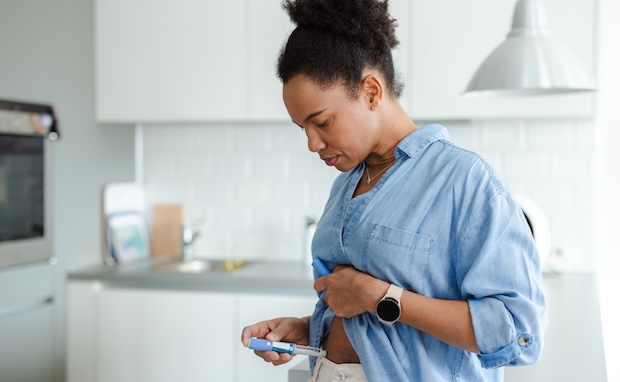
💡 Tip: Trulicity is taken just once a week. Pick a set day (like "Self-Care Sunday") to help you stay consistent with your doses.
How does Trulicity help you lose weight?
Trulicity isn’t a magic weight loss pill. It strategically changes the way your body handles food and hunger signals. This occurs in three main ways:
1. It slows down your stomach
This is called "delayed gastric emptying." This means that food stays in your stomach longer. Because your stomach stays full, hunger signals take much longer to reach your brain.
2. It talks to your brain
Trulicity acts on the appetite centers of your brain. It helps turn down the volume on "food noise" – those constant, intrusive thoughts about what you’re going to eat next or those cravings that are hard to ignore.
3. It manages your insulin levels
By helping your body release the right amount of insulin and stopping your liver from making too much extra sugar, Trulicity keeps your blood sugar stable. When your blood sugar is stable, you’re much less likely to experience the "crashes" that lead to overeating or reaching for sugary snacks.
How much weight can you expect to lose?
When we talk about weight loss on Trulicity, the results usually depend on the dose you’re taking.
In a major clinical trial, researchers looked at people with type 2 diabetes who weren't reaching their goals on lower doses. They found that people taking the highest dose (4.5 mg) lost about 10.1 pounds over 36 weeks.
To put that into context, for someone who weighs 200 pounds, that’s about a 5% reduction in body weight. While that might sound small compared to some of the dramatic stories you see online, a 5% weight loss is often the "magic number" where you start seeing major health benefits, like lower blood pressure and better cholesterol levels.
It’s important to remember that these studies involved people with type 2 diabetes. People without diabetes sometimes see even more significant weight loss on GLP-1 medications, though specific long-term data for Trulicity in non-diabetics is more limited than it is for Wegovy or Zepbound.
💡 Tip: Don't just watch the scale! Keep track of non-scale victories, like your clothes fitting better or having more energy to play with your kids.
Trulicity vs. Ozempic: What’s the difference?
You might be wondering how Trulicity compares to other GLP-1s like Ozempic. Both are once-weekly injections and both are GLP-1 medications, but they aren't identical.
One study specifically compared Trulicity to Ozempic (semaglutide). They found that while both were great for blood sugar, people on Ozempic lost slightly more weight on average.
However, everyone’s body is different. Some people find they have fewer side effects on Trulicity, or their insurance might cover Trulicity more easily than Ozempic. The "best" medication is the one that works for your unique body and that you can actually access.
Managing side effects through nutrition
The most common hurdle with Trulicity is that it can cause some side effects at first. Because it slows down your digestion, you might experience nausea, bloating, or even a bit of a stomach ache.
“As a registered dietitian, I always tell my clients that how you eat can make a massive difference in how you feel on this medication,” says Wendimere Reilly, RD. “For example, many people benefit from spreading carbohydrate intake evenly across meals rather than concentrating it in one sitting.”
1. Lean into protein
When you’re eating less, you need to make sure your body isn't burning its own muscle for fuel. Aim to get protein at every meal. Think eggs, Greek yogurt, tofu, or lean chicken. Muscle is what keeps your metabolism high, so we want to protect it!
2. Fiber is your friend (usually)
Fiber helps keep things moving through your digestive tract, which is important since Trulicity slows things down. However, if you’re feeling very bloated, you might need to increase your fiber slowly and drink plenty of water to help it do its job.
3. Eat smaller, frequent meals
Since your stomach stays full longer, a giant dinner might make you feel uncomfortably stuffed or nauseous. Try breaking your food into smaller snacks or mini-meals throughout the day.
“Eating mindfully, slowing down, and chewing food thoroughly may also be helpful, as the medication can slow gastric emptying and increase feelings of fullness,” says Wendimere Reilly, RD.
🌱 Plant-based swap: Instead of a heavy whey protein shake, try a pea or soy protein powder. These are often easier on the stomach if you're experiencing medication-related nausea.
Why a dietitian is your best partner on Trulicity
Starting a medication like Trulicity is a great first step, but it's only one part of the puzzle. Have you ever noticed how some people lose weight but feel tired and weak, while others look vibrant and healthy? The difference is often their nutrition.
A registered dietitian (RD) can help you:
- Prevent muscle loss: Your RD will make sure you’re getting enough of the right nutrients so you lose fat, not muscle.
- Manage nausea: An RD can identify which specific foods are triggering your side effects.
- Build lasting habits: Medication can help you lose weight, but nutrition is what helps you keep it off if you ever decide to stop the medication.
- Navigate the grocery store: Get real-world, inclusive food swaps that fit your culture and your cravings.
💡 Tip: If you’re feeling nauseous, try sipping on ginger tea or snacking on a few plain crackers before you get out of bed in the morning.
Finding success with Trulicity
Trulicity is a powerful, evidence-based tool that can help you take control of your weight and your heart health. Whether you're using it to manage type 2 diabetes or exploring it off-label for weight loss, remember that you don't have to navigate this journey alone.
The most successful health transformations happen when you combine the right medical support with a sustainable, personalized nutrition plan. The best part? With Fay, dietitian services are covered by insurance, meaning you can get expert, one-on-one guidance without the heavy price tag.
Ready to see how a personalized plan can help you maximize your results on Trulicity? Connect with an expert weight loss dietitian today.
Frequently Asked Questions
Does Trulicity cause more weight loss than metformin?
Yes, in most clinical trials, Trulicity has been shown to cause greater weight loss than metformin. While metformin is a great, affordable baseline medication for many, the GLP-1 class generally has a stronger impact on appetite and weight.
Where do you inject Trulicity?
You can inject it under the skin of your stomach, thigh, or upper arm. It’s a good idea to rotate your injection site each week to prevent the skin from getting tough or lumpy.
Can I drink alcohol on Trulicity?
While an occasional drink is usually okay, be careful. Trulicity can mask the symptoms of low blood sugar, and alcohol can also lower your blood sugar. Plus, alcohol can be tough on your stomach, which might already be sensitive from the medication.
How fast will I see weight loss?
Most people don't see the scale move instantly. Your doctor will likely start you on a low dose (0.75 mg) to see how you tolerate it. You might notice your appetite changes within the first few days, but significant weight changes usually happen over several months as your dose increases.
The views expressed by authors and contributors of such content are not endorsed or approved by Fay and are intended for informational purposes only. The content is reviewed by Fay only to confirm educational value and audience interest. You are encouraged to discuss any questions that you may have about your health with a healthcare provider.
Sources
Fay Nutrition has strict sourcing guidelines and relies on peer-reviewed studies, academic research institutions, and medical associations. We avoid using tertiary references.
- Association between glucagon-like peptide-1 receptor agonists use and change in alcohol consumption: a systematic review - eClinicalMedicine by The Lancet Discovery Science
- Efficacy and Safety of Dulaglutide 3.0 mg and 4.5 mg Versus Dulaglutide 1.5 mg in Metformin-Treated Patients With Type 2 Diabetes in a Randomized Controlled Trial (AWARD-11) - Diabetes Care
- GLP−1 receptor agonists for the treatment of obesity: Role as a promising approach - Frontiers in Endocrinology
- Eli Lilly and Company. (February 01, 2024). Trulicity Prescribing Information
- Insulin Injection Practices in a Population of Canadians with Diabetes: An Observational Study - Diabetes Therapy
- Glucagon-Like Peptide 1 Receptor Agonists for Type 2 Diabetes - American Diabetes Association DiabetesSpectrum
- Semaglutide versus dulaglutide once weekly in patients with type 2 diabetes (SUSTAIN 7): a randomised, open-label, phase 3b trial - The Lancet Diabetes and Endocrinology
- Losing Weight - U.S. Centers for Disease Control and Prevention
- Nutrition and healthy eating - Mayo Clinic
- Efficacy and safety of dulaglutide monotherapy versus metformin in type 2 diabetes in a randomized controlled trial (AWARD-3) - American Diabetes Association