Key Points
- Most adults get a quarter of their daily calories from snacks
- Healthy snacks with protein or fiber help you feel full longer between meals
- Budget-friendly, easy, healthy snacks include Greek yogurt, hard-boiled eggs, and air-popped popcorn
- Plus, turn everyday leftovers into quick snacks when you're too tired to cook
Choosing snacks isn’t just about willpower. If it were, we wouldn’t need articles like this.
Stress, fatigue, long gaps between meals, and busy schedules can all make snacking feel harder than it should. If you’ve ever planned to snack “better” and still reached for whatever was easiest, that doesn’t mean you failed. It means your body needed something.
Snacks won’t fix stress or silence food noise completely. But choosing foods that include protein and fiber can help support energy and fullness when meals run late or don’t quite hold you over.
That’s what this list focuses on: practical, realistic snack ideas that work in real life.
How do snacks matter for weight loss?
For many adults in the U.S., snacks account for nearly a quarter of their daily calories!
Because snacking is done between meals, and often without much planning, these calories can quietly add up over the course of a day.
Snacking can be helpful. What matters most is the type of snack and how much of it you have.
Snack quality
Not all snacks affect hunger the same way. Research on fullness consistently points to two nutrients that matter most, protein and dietary fiber:
- Protein takes longer to digest and supports satiety signals.
- Fiber adds volume and slows how quickly food moves through the digestive system.
Snacks that include one or both tend to keep hunger quieter than snacks made mostly of refined carbohydrates. This helps explain why foods like eggs, yogurt, legumes, nuts, seeds, and dairy often work well in smaller portions.
Portion sizes
When portions are larger, it’s easy to eat more without noticing. Keeping snacks clearly snack-sized helps them do their job without quietly turning into a full extra meal.
What feels like the right portion is personal. Body size, activity level, and daily needs all play a role.
A weight loss dietitian can help you figure out snack choices that fit your routine and goals.
Easy no-prep snacks for weight loss
1. Bananas
Bananas are one of the most convenient snacks around. They’re easy to carry, require no prep, and provide carbohydrates that help restore energy when meals are delayed.
They digest relatively quickly, which is why some people feel hungry again soon after eating one. Pairing a banana with protein or fat, such as yogurt, nuts, or seeds, slows digestion and helps the snack last longer.
Bananas work best as a bridge between meals rather than a stand-alone solution when hunger is intense.
2. Apples and pears
Apples and pears are rich in water and fiber, which helps them feel filling for their size. Much of their fiber is soluble, meaning it slows digestion and supports a feeling of fullness.
Their structure matters too. Chewing whole fruit tends to promote greater satiety than drinking juice made from the same fruit.
These fruits travel well, store easily, and pair naturally with protein or fat when more staying power is needed.
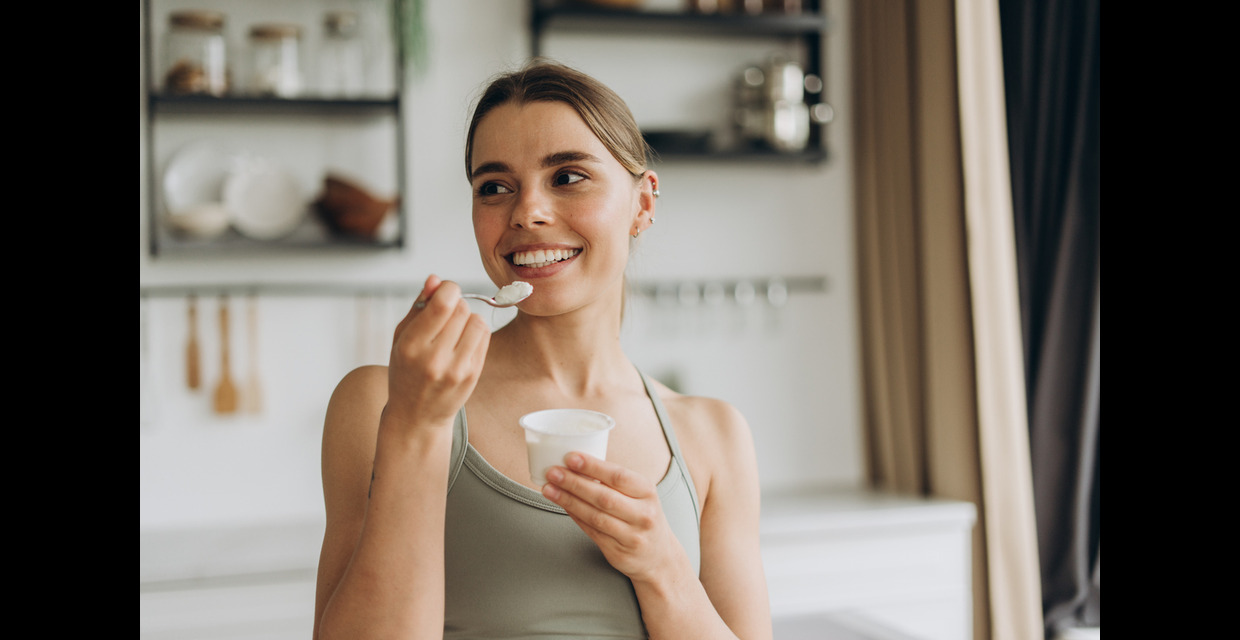
3. Greek yogurt (with easy add-ins)
Greek yogurt is higher in protein than regular yogurt, which helps it digest more slowly and feel more satisfying between meals. That protein base makes it a reliable starting point for a snack.
Add-ins change how long the snack lasts.
- Nuts or seeds add fat and fiber, which slows digestion and helps hunger stay quieter
- Berries add volume and fiber with less sugar
Texture matters too. The contrast between creamy yogurt and something crunchy or juicy often makes the snack feel more satisfying than yogurt alone.
This flexibility is what makes Greek yogurt useful.
It can stay simple when hunger is mild or become more substantial when you need it to carry you longer.
💡Tip: Turn Greek yogurt into an after-dinner dessert!
- Start with one flavor note such as cinnamon, cardamom, vanilla, or cocoa powder. Add crunch and interest with nuts, seeds, or a handful of berries
- If you like your yogurt slightly sweet, try drizzling a little honey or maple syrup
- When using dark chocolate chips, mixing in a little honey first helps mellow the tang
- 🍦Make Banana-Greek yogurt “ice cream”: Blend Greek yogurt with frozen bananas in a high-speed blender for a delicious treat
4. Cheese sticks or slices
Cheese provides protein and fat, both of which digest slowly and support fullness. Individually portioned sticks or slices make it easier to eat a consistent amount without much thought.
As a snack, cheese pairs well with fruit or whole-grain crackers, which adds fiber and volume.
For people who prefer savory snacks, cheese often feels more satisfying than sweet options.
5. Nuts and seeds
Nuts and seeds are energy-dense, but they also contain fat, protein, and fiber. That combination helps explain why they tend to be filling despite their calorie content.
Research shows that nuts do not cause weight gain and may even help regulate appetite when portions remain reasonable.
Seeds such as pumpkin, sunflower, chia, and hemp offer similar benefits and are practical alternatives for households managing nut allergies.
6. Air-popped popcorn
Popcorn is a whole grain that is a high-volume, low-calorie food when air-popped.
Even a few cups of air-popped popcorn can feel more satisfying than many packaged snacks, especially if you love that crunchy texture.
Light seasoning keeps the snack simple without changing how it digests.
7. Apple with nut or seed butter
Adding nut or seed butter to fruit changes how the snack is processed. Fat and protein slow digestion and help prevent hunger from returning too quickly.
This combination tends to feel steadier than fruit alone. A small amount of nut or seed butter is usually enough to make a noticeable difference.
Note: Sunflower or pumpkin seed butter works well for people avoiding nuts.
8. Hummus with vegetables
Hummus combines legumes with fat from tahini and olive oil. This mix of fiber, protein, and fat supports fullness better than many dips.
Vegetables such as carrots, cucumbers, and bell peppers add crunch and volume without contributing many calories.
Together, they create a snack that feels substantial without being heavy.
How to make hummus?
A simple way to make hummus is to
- Blend cooked chickpeas with tahini, olive oil, lemon juice, garlic, and a pinch of salt until smooth
- Add very little water to achieve a rich, creamy texture
- Hummus keeps well in the refrigerator for several days and works as an easy dip or spread for vegetables
💡Tip: For variety, try adding different flavors like roasted garlic, sun-dried tomatoes, beetroot, smoked paprika, cumin, or fresh herbs like parsley or cilantro when blending.
9. Hard-boiled eggs
Eggs are compact and rich in high-quality protein. As snacks, they tend to keep hunger at bay longer than carbohydrate-based options.
Hard-boiled eggs can be prepared ahead of time and stored in the refrigerator for up to 1 week. This makes it easier to eat healthy when you’re busy or tired.
Hard-boiled eggs work on their own, paired with fruit or vegetables, or even with a slice of whole-grain toast, depending on your appetite.
💡Tip: For variety (if you have time), slice or chop the eggs and add seasonings like paprika, chili powder, or everything-bagel seasoning, or finish with a small squeeze of lemon or a dab of mustard.
10. Cottage cheese with salsa
Scoop a small portion of cottage cheese into a bowl and add a spoonful of store-bought or homemade salsa.
This simple combination adds protein without much prep and works well as a low-starch, savory snack.
11. Roasted chickpeas
Roasted chickpeas offer crunch along with fiber and plant-based protein. They digest more slowly than many packaged snack foods and tend to be more filling per bite.
They can be roasted in batches and stored for several days, making them convenient for quick snacks.
How to make roasted chickpeas?
Toss cooked, drained chickpeas with a drizzle of olive oil, salt, and spices like paprika, cumin, or garlic powder. Then roast it at 400°F (200°C) for about 25–30 minutes, shaking the pan once or twice halfway through.
How to store roasted chickpeas to keep them crunchy?
- Let roasted chickpeas cool completely
- Store them at room temperature in a loosely covered container so excess moisture can escape
- Avoid fully sealed containers or refrigeration, which tend to trap moisture and soften them faster
⭐Bonus: Healthy snacks from everyday leftovers
Using leftovers already in your fridge adds variety without extra prep.
Leftovers can make easy, satisfying snacks with very little effort, when:
- The portion size remains small
- The snack contains little or no starchy foods and is paired with protein or fat
- The alternative is skipping food and arriving at the next meal overly hungry
Here are some simple, no-cook, microwave-friendly ways to use what’s already in your fridge.
1. Leftover roasted vegetables (quick Asian-inspired refresh)
Warm a small bowl of leftover roasted vegetables in the microwave to refresh their texture. This snack works on its own or paired with a protein like a boiled egg or tofu.
💡Tip: Toss with a splash of soy sauce or tamari, a few drops of sesame oil, and a pinch of chili flakes for a quick asian flavor boost.
2. Leftover lentils or beans (quick soup hack)
Warm a mug or small bowl of low-sodium soup in the microwave, then spoon in a small amount of leftover lentils or beans. This turns a light soup into a more filling snack without much extra effort.
This tip works well with vegetable or broth-based soups. It keeps the focus on protein and fiber rather than on starch-heavy sides.
3. Leftover roasted chicken or fish (lettuce wrap)
Spoon a small portion of leftover roasted chicken or fish into one large lettuce leaf. Romaine, butter lettuce, or iceberg all work well. Optional: Add a pinch of salt, pepper, or chili flakes, or a squeeze of lemon for flavor.
This makes a light, protein-forward snack that’s easy to assemble straight from the fridge.
4. Leftover meatloaf (quick flavor switch)
Warm a thin slice of leftover meatloaf in the microwave and change the flavor with a different topping.
💡Tip: Try mustard, salsa, or a spoonful of marinara sauce instead of ketchup.
These small swaps may make it feel less like last night’s dinner and more like a savory snack.
5. Chia pudding with blueberries
Mix chia seeds with milk or a dairy-free alternative. Let it thicken in the fridge for a few hours or overnight.
About ½ cup, made with 1–2 tablespoons chia seeds, works well as a snack. Add blueberries before eating, or stir them in when you make the pudding.
💡Tip: It’s important to hydrate well when eating chia seeds because they absorb a lot of liquid.
Hard to stop snacking even when you’re not hungry? Here’s why
Snacking is often where eating starts to feel messy or out of sync.
Meals usually have some structure. Snacks tend to slip into the cracks of the day, between meetings, between tasks, between thinking too much and feeling too tired to think at all.
That makes them easy to reach for and harder to pause around.
When structure drops, decisions get harder
Between meals, your day doesn’t slow down, but your energy often does.
Stress builds.
Focus fades.
Hunger cues get fuzzy.
In those moments, food can feel like a quick reset, even if your body isn’t asking for fuel.
That’s why snacking can feel more reactive than meals. It often shows up when your brain is tired, overstimulated, or juggling too many decisions at once.
Stress and fatigue change how food feels
Long workdays, poor sleep, and mental overload can all make snack urges louder. Food offers fast sensory relief. Crunch, sweetness, salt, and familiarity can calm your nervous system for a moment.
That relief typically fades quickly. When this pattern repeats, snacking can start to feel automatic, less about hunger and more about getting through the day.
When food noise gets overwhelming
You might notice food popping into your thoughts more than you’d like.
Planning the next snack.
Counting down to the next meal.
Wanting to eat even after you feel physically full.
This experience is often called food noise.
This constant mental chatter can make eating feel draining instead of satisfying.
Mental health affects binge eating and food cravings
Binge eating is linked to ADHD (Attention Deficit Hyperactivity Disorder), depression, and even anxiety. These conditions can affect impulse control, emotional regulation, and reward signaling in the brain.
Highly processed, high-carb foods may offer a sense of calm or relief by increasing the levels of feel-good chemicals like serotonin. But this relief is often temporary, and the urge to eat can return even stronger, reinforcing a troubling cycle.
It can be hard to break out of the binge eating cycle alone.
When food urges feel persistent or overwhelming, consider reaching out to a mental health counselor or a registered dietitian specializing in binge eating for help.
Lose weight without the high price tag. Find a weight loss dietitian who accepts your insurance.
The views expressed by authors and contributors of such content are not endorsed or approved by Fay and are intended for informational purposes only. The content is reviewed by Fay only to confirm educational value and audience interest. You are encouraged to discuss any questions that you may have about your health with a healthcare provider.
Sources
Fay Nutrition has strict sourcing guidelines and relies on peer-reviewed studies, academic research institutions, and medical associations. We avoid using tertiary references.
- Snacking Patterns of U.S. Adults: What We Eat in America, NHANES 2007-2008 (June 2011)
https://www.ncbi.nlm.nih.gov/books/NBK589773/ - The Importance of Dietary Fiber for Metabolic Health (April 12, 2023) https://pmc.ncbi.nlm.nih.gov/articles/PMC10498976/
- Whole Fruits Versus 100% Fruit Juice: Revisiting the Evidence and Its Implications for US Healthy Dietary Recommendations (May 7, 2025)
https://pmc.ncbi.nlm.nih.gov/articles/PMC12398644/ - Nuts, Energy Balance and Body Weight (February 25, 2023) https://www.mdpi.com/2072-6643/15/5/1162
- USDA FoodData Central: Snacks, Popcorn, Air-popped (April 01, 2019)
https://fdc.nal.usda.gov/food-details/167959/nutrients - US FDA: What You Need to Know About Egg Safety (March 05, 2024)
https://www.fda.gov/food/buy-store-serve-safe-food/what-you-need-know-about-egg-safety - Chia Seeds (November 7, 2024) https://nutritionsource.hsph.harvard.edu/food-features/chia-seeds/
- Overlapping neurobehavioral circuits in ADHD, obesity, and binge eating: evidence from neuroimaging research (August 2015)
https://www.ncbi.nlm.nih.gov/pmc/articles/PMC4560968/